- Contact Us
- -
- Payment
- -
- 中文版
Knowledge Center · 2026-09-14 09:26:48 · 4 hits
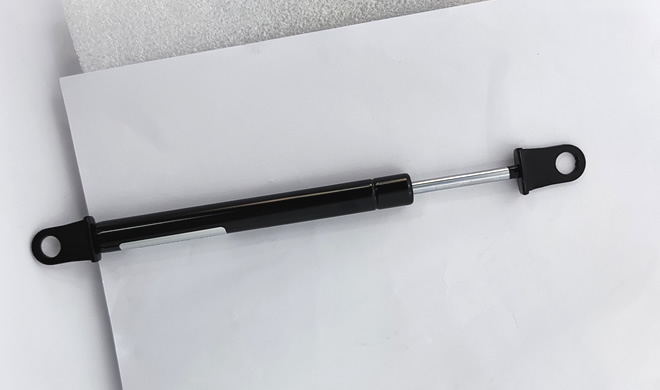
1. Overview
Definition & Function
A nitrogen gas spring is a component that uses the elastic force of compressed nitrogen as its working medium. Widely used in tooling (dies/molds) and automated equipment, it delivers stable pressure or supporting force.
Working Principle
The cylinder is charged with high-pressure nitrogen. As the piston rod moves, the gas volume changes, producing varying spring force. A pre-compression stroke can be adjusted to suit different application requirements.
2. Selection
Application Analysis
Select the model according to the actual process—stamping, forming, or other operations.
Consider factors such as operating temperature and space limitations.
Technical Parameters
Pay close attention to key specifications: maximum stroke, working pressure, and mounting dimensions.
Understand the product's fatigue life to ensure long-term, stable operation.
Cost-Benefit Evaluation
Compare performance and price across brands to choose the most cost-effective solution.
Factor in long-term maintenance cost; favor models that are easy to service and replace.
3. Installation Steps
Preparation
Confirm the mounting position; clean the contact surfaces and remove oil and contaminants.
Prepare the necessary tools, such as wrenches and a torque wrench.
Installation Procedure
Place the gas spring in its intended position, ensuring the mounting hole aligns with the seat.
Secure it with appropriate fasteners—avoid over-tightening, which can damage components.
Adjustment & Calibration
Set the working height and preload according to actual needs.
Test the installation to confirm it meets operational requirements.
4. Operation & Maintenance
Daily Inspection
Periodically check that fasteners are not loose; re-torque if necessary.
Watch for any signs of leakage and address them promptly.
Maintenance
Keep the gas spring surface clean to prevent dust and foreign particles from entering.
Lubricate per the manufacturer's recommended interval to extend service life.
Troubleshooting
If an abnormality occurs, stop the machine and investigate the cause first.
Refer to the product manual's troubleshooting guide, or contact the supplier for technical support.
5. Safety Notices
Safe Operation
Always read and understand the safety instructions in the product manual before operation.
Exercise extra caution when adjusting pressure—excessive pressure can cause serious injury.
Emergency Measures
Establish an emergency response plan, including the location and use of emergency-stop buttons.
Conduct regular staff training to improve emergency-handling capability.
Copyright © 2016-2025 Forrun (Guangdong) Industrial Technology Co., Ltd All Rights Reserved.